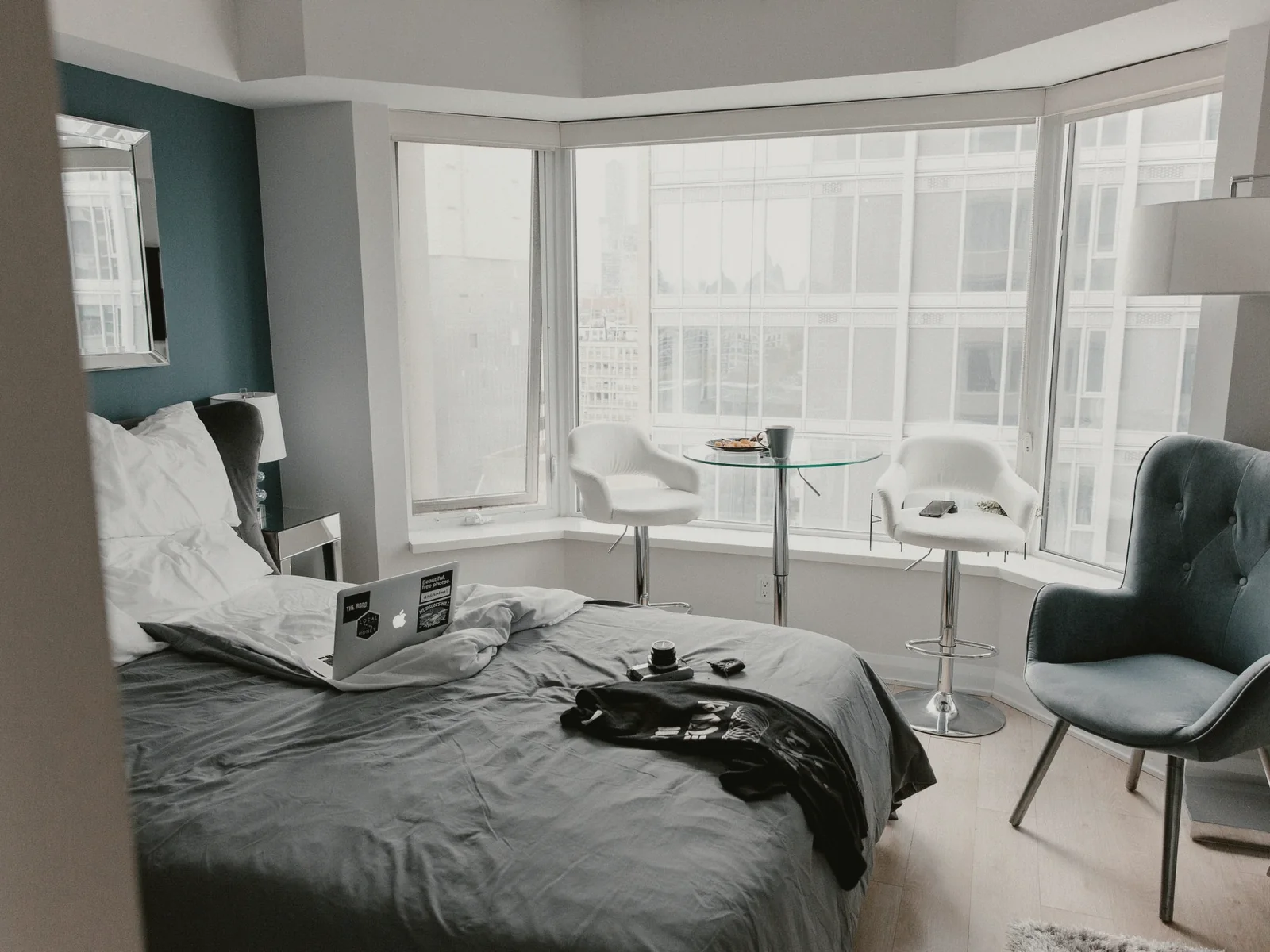
A hotel listing may show a bed, a desk, and a breakfast room while leaving out the details that matter to your diabetes routine. Instead of assuming that every property offers the same refrigerator, power access, disposal options, or assistance, ask the individual hotel what is actually available. Then compare its answer with the current handling instructions for your medication and equipment. This is less about requesting special treatment than removing uncertainty before a tiring arrival. The right questions depend on what you use, how independently you want to manage it, and what your clinician and product manufacturer have advised. Hotel staff can describe the property, but they cannot decide whether a particular arrangement is medically suitable for you.
Confirm Details Before You Book
Start with a short list of property facts, not a detailed account of your health. You might need to know whether the room has a refrigerator, whether its operation can be verified, where usable electrical outlets are located, whether an elevator serves your floor, or how far the room may be from parking. Ask only what affects your routine. A direct question is easier for a reservation agent to answer and easier for you to document.
Words such as refrigerator, cooler, accessible, and available can mean different things at different properties. Ask for a concrete description. Is the appliance inside the room or shared? Is it designed for food, beverages, or medication storage? Can the hotel confirm the model or operating information? Is it continuously powered when the guest leaves? Do not assume an appliance meets the storage directions for a particular medicine. Compare confirmed details with the exact product label and manufacturer guidance, then ask a pharmacist or qualified clinician if suitability remains unclear.
Record Who Said What
Note the date, the department or staff member, and the substance of the answer. If the property offers to add a request to the reservation, ask for written confirmation. This record is an organizational aid, not a guarantee. Staffing, room assignments, and equipment can change. Reconfirm shortly before arrival and inspect the actual arrangement when you enter the room.
For a hypothetical example, Thomas, age 62, is attending a three-night reunion. He asks whether his room category includes an in-room appliance and whether the front desk can explain alternatives if it is not working. He does not ask the clerk whether his medication will be safe there; that question goes to the product manufacturer or his pharmacist. The distinction helps him obtain reliable information from the right source.
Map Access Through the Stay
Think through the route from vehicle or lobby to room. Luggage, stairs, long hallways, late check-in, and a crowded elevator can affect when supplies become available. Keep immediately needed items with you rather than buried in checked luggage, a bell cart, or a parked car. If you want staff help, specify which bag must remain upright, dry, or in your possession. Never assume a staff member recognizes medical equipment from its appearance.
Inside the room, choose a consistent location away from accidental disposal, housekeeping supplies, children, pets, direct sunlight, water, or other hazards relevant to the product instructions. A tray or brightly colored cloth can define a clean organization area without turning the entire room into a care station. Keep sharps and other potentially hazardous items in an appropriate container according to current local and professional guidance; ask the property what disposal resources it actually provides rather than presuming a universal hotel policy.
Plan for Power and Connectivity
Inspect outlets before unpacking everything. A lamp outlet may turn off with a wall switch, and an outlet may be too far from where you can safely place equipment. If your device depends on charging or data, bring manufacturer-approved accessories and consider how you will continue if hotel internet is unavailable. Do not connect a medical device to unfamiliar adapters or power sources unless its manufacturer says that setup is appropriate.
Build access into mornings and evenings. If companions share the room, agree that a supply pouch, bathroom shelf, or charging area will stay unobstructed. Set out only what you intend to use and keep the rest organized. This reduces mix-ups when everyone is dressing for an early departure or packing in a hurry.
Protect Privacy and Control
You decide how much health information to disclose. A practical request can often stand on its own: you need the confirmed room feature, you want to keep a bag with you, or you do not want an item moved. If a staff member needs more information to respond, you can provide the minimum that feels appropriate. For legal questions about accommodations or rights, consult an authoritative government resource or a qualified professional; front-desk practice and informal travel advice are not legal guidance.
Housekeeping is another reason to make a plan. Ask the individual property how service works and what options are available. You might choose to store supplies before service, use a do-not-disturb preference when appropriate, or speak with the desk. Avoid leaving medication or equipment in bedding, among towels, or beside waste. A written note can help, but it does not replace secure, sensible placement.
Have a Property-Specific Fallback
If a promised feature is missing or unusable, contact the front desk promptly and describe the confirmed request. Ask what alternatives the property can provide, but evaluate any proposed storage method against product-specific instructions. A shared kitchen refrigerator, staff office, replacement appliance, room move, or no on-site option each creates different access and privacy questions. There is no single correct hotel solution for every medicine or device.
Save manufacturer, pharmacy, clinician, and travel-provider contact details before leaving home. If product integrity is uncertain, do not make a visual guess or improvise a medical substitution. Seek current advice from the manufacturer and an appropriate health professional. If the lodging no longer supports your essential needs, discuss feasible changes with the booking provider or property.
Sources
- Tips for Traveling With Diabetes
- Information Regarding Insulin Storage and Switching Between Products in an Emergency
Sources support general educational context. Product-specific and personal decisions require the current responsible source.