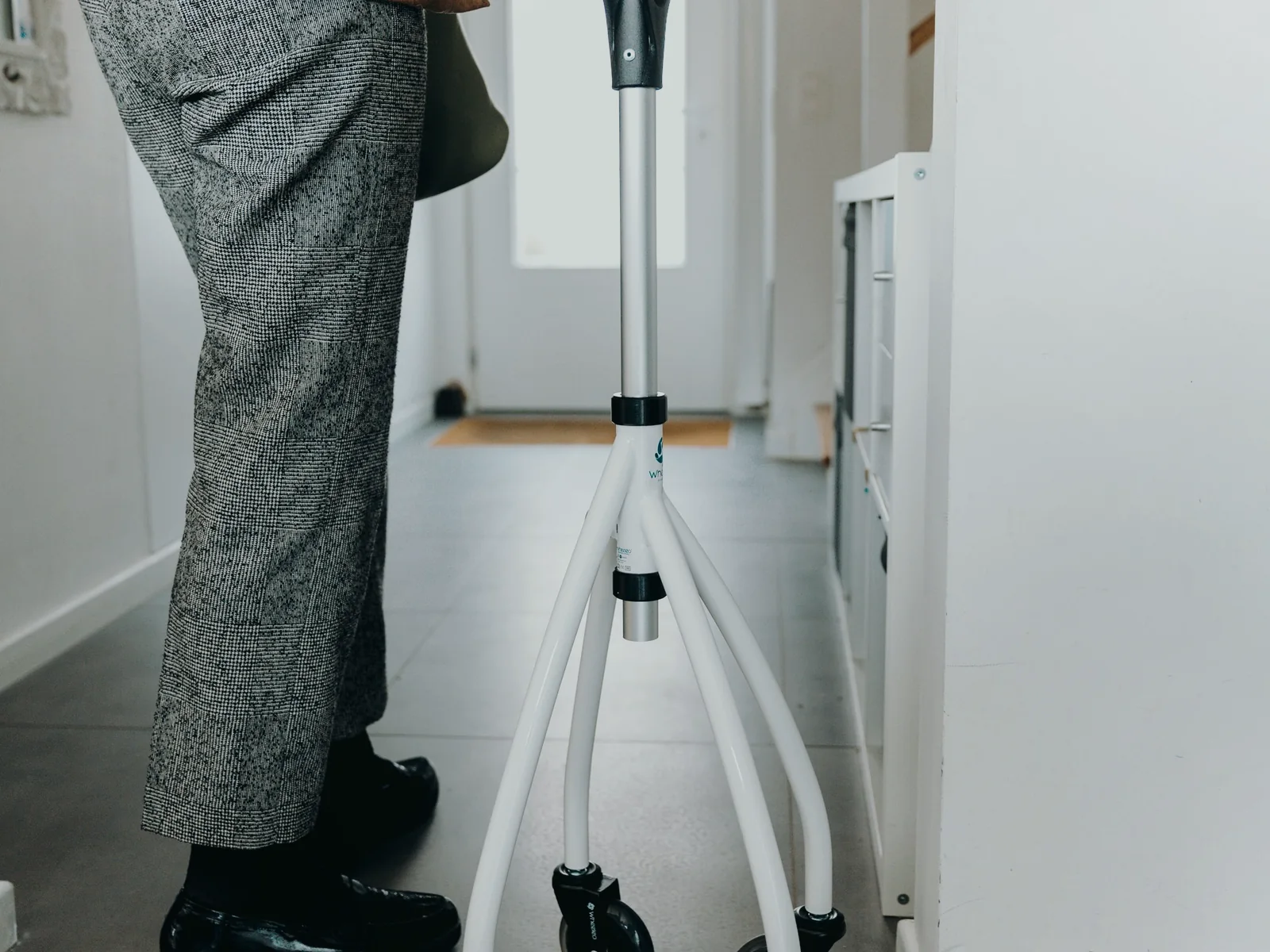
Accessibility at a home care station can change with vision, reach, grip, balance, hearing, attention, pain, or fatigue. Small adjustments often remove unnecessary effort without changing the care itself. The safest changes preserve product labels, device instructions, cleanliness, and storage conditions. When a modification affects how a device or medication is handled, check with the manufacturer, clinician, pharmacist, or an occupational therapist before relying on it.
Observe the Task Before Buying an Organizer
Watch one ordinary setup from beginning to end. Notice where you lean, twist, search, squint, grip tightly, carry several items, or lose track of the next step. Include cleanup and disposal, not just the central task. If possible, write each point of friction in neutral language: “small label is hard to read in evening light” or “tray slides when opened.” Specific observations lead to smaller, safer changes than a general goal to make the station accessible.
Distinguish the environment from the product. You can often change lighting, shelf position, chair support, or label contrast without modifying a medical device. Do not add grips, covers, markings, adhesives, or attachments to a device unless its manufacturer says they are compatible. Do not transfer medications or supplies out of required packaging simply to make them easier to handle. Ask a pharmacist, clinician, manufacturer, or occupational therapist for alternatives.
Improve Visibility With Light, Contrast, and Order
Use steady, glare-controlled light that reaches the work surface without casting a shadow from your body. A movable task lamp may help, provided it does not heat products or crowd the area. Contrast the work surface with the supplies you handle: a plain dark mat can make light objects easier to see, while a light surface can reveal darker pieces. Keep the surface uncluttered so a dropped cap or small component is easier to locate.
Make Labels Readable Without Replacing Them
Add large-print shelf labels, tactile dots on storage bins, or high-contrast category cards, but preserve every original product label. A handheld magnifier, phone magnification setting, or text-to-speech feature may help with printed material. Confirm critical wording against the original instructions, because automated text recognition can make errors. Ask manufacturers whether they offer accessible manuals, audio instructions, or alternate formats.
Use shape and position as well as color. Assigning one tray to current supplies and another to unopened supplies remains understandable in dim light or for someone who does not distinguish certain colors. Keep similar-looking products physically separated and retain identifying packaging. If vision changes make products difficult to tell apart, ask a pharmacist or clinician about safer identification options instead of inventing a private color code that others cannot interpret.
Reduce Unnecessary Reaching, Lifting, and Gripping
Place frequent-use items within a comfortable reach from the position in which you actually use them. A stable chair with appropriate support may be better than standing at a counter, especially when fatigue or balance varies. Keep the floor and approach clear of cords, open drawers, pets, and loose rugs. The station should allow you to set an item down without balancing it on your lap or carrying it across the room.
Choose shallow drawers, open-front bins, and easy-to-hold handles when they satisfy security and storage needs. Avoid stacking heavy containers. A turntable can bring lightweight items forward, but only if it remains stable and does not cause packages to fall. Test organizers with ordinary hand movements before filling them. Child-resistant or tamper-resistant features may be essential; if they are difficult to operate, ask a pharmacist about appropriate options rather than defeating the safety feature.
Plan Cleanup and Disposal Access
Place suitable waste and sharps containers so they can be reached without crossing the room while holding a used item. Follow FDA guidance, local disposal rules, and the container's instructions. Do not overfill or improvise an opening aid. Store cleaning materials separately from medications and devices, and follow manufacturer directions for cleaning each device. An accessibility change should not create a contamination or disposal problem elsewhere.
Support Attention and Sequencing Without Rewriting the Care Plan
A simple start-to-finish layout can reduce mental load. Arrange approved supplies in the order they are handled, then keep cleanup items at the end of the path. Use a reusable checklist that points to the current clinician-provided plan and manufacturer instructions. Do not copy doses, treatment changes, or abbreviated safety steps onto a homemade card where they may become outdated or lose context.
Reduce competing sounds and interruptions when possible. A small sign on the outside of the room, a household agreement not to move supplies, or a dedicated quiet period can help. For hearing access, check whether devices provide manufacturer-supported visual or vibration alerts. For attention or memory concerns, ask a clinician or occupational therapist to help select cues suited to the person rather than increasing the number of alarms.
Test Changes in the Conditions That Matter
A setup that works when you are rested may be difficult when your hands are stiff, the room is dim, or you are in a hurry. Test only safe environmental changes under ordinary conditions, without experimenting with treatment or forcing a painful movement. Ask a trusted person to observe if you want feedback, but keep control over what help feels useful. Accessibility should increase independence and clarity, not invite others to take over without permission.
Review the station after a new device, injury, vision change, move, or shift in household needs. Confirm that storage and safety directions still apply. An occupational therapist can analyze reach, grip, posture, vision, and sequencing in context; a pharmacist, clinician, or manufacturer can answer product-specific questions. The most useful home station is not permanently finished. It changes carefully as the person, products, and home change.
Sources
Sources support general educational context. Product-specific and personal decisions require the current responsible source.