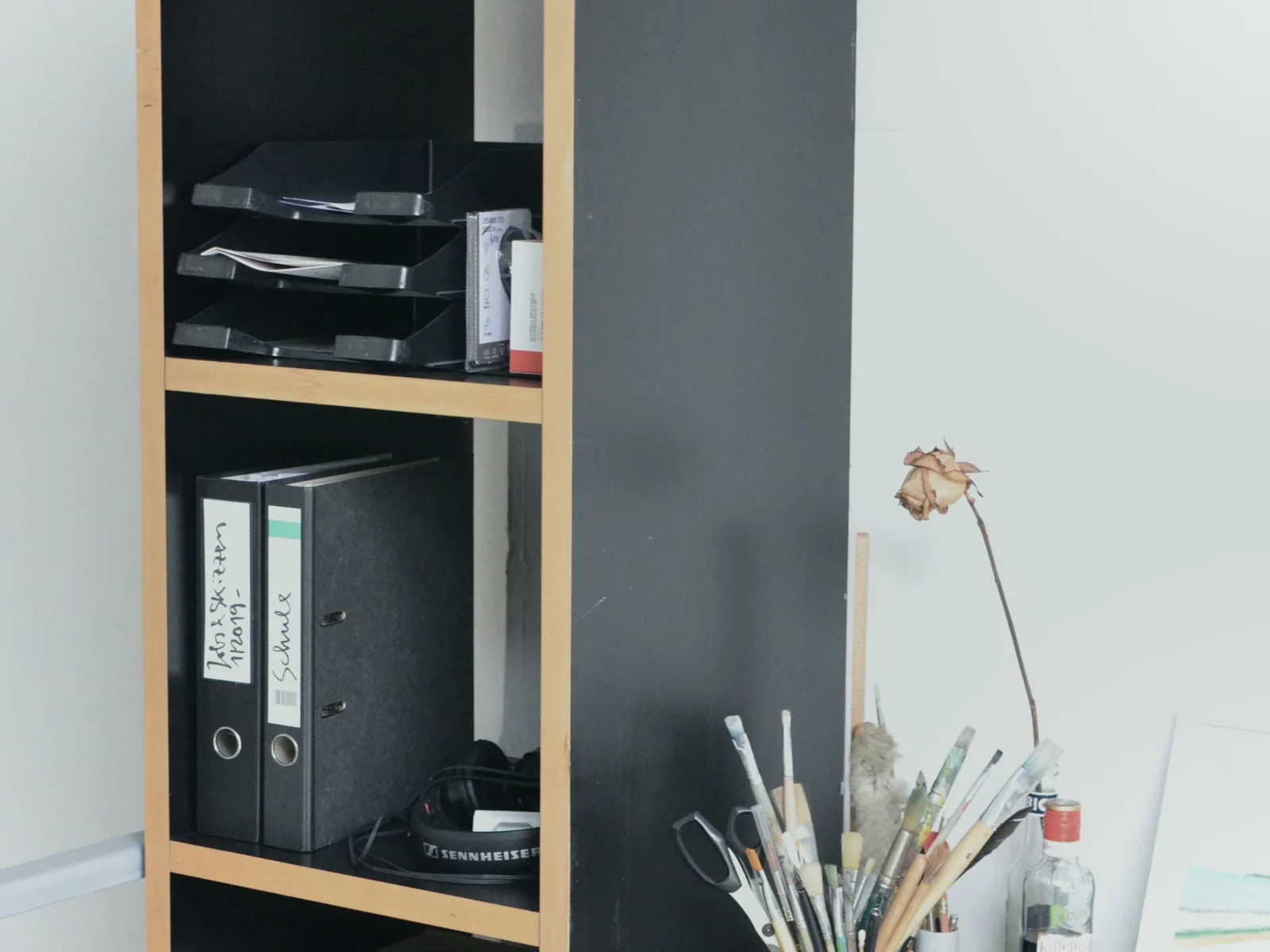
A practical supply space is not defined by matching containers or a large cabinet. It helps you see what you have, reach what you use, protect products as directed, and notice when something needs attention. Because diabetes supplies differ, begin with the label, package insert, manufacturer instructions, and guidance from your clinician or pharmacist. Then organize the surrounding space to make those requirements easier to follow.
Choose a Location by Conditions, Not Convenience Alone
Begin by reading the storage directions for every type of medication, test supply, and device you plan to place in the area. Products may have different requirements for temperature, moisture, light, cleanliness, position, and security. Do not assume that directions for one item apply to another, even if you use them together. If wording is unclear or your home cannot reliably provide the stated conditions, ask the manufacturer, clinician, or pharmacist before choosing an alternative.
Walk through the home at different parts of the day. A bathroom may be convenient but humid. A kitchen cabinet may warm up near an appliance. A windowsill can receive direct sun, and a garage or car can experience substantial changes in temperature. Look for a dry, stable, clean location that also meets individual labels. Keep items away from children, pets, visitors, and anyone who could mistake them for something else. Security and access should be planned together.
Organize by How Items Move Through Your Routine
Create zones that answer practical questions: What is in current use? What is unopened? What travels? What is waiting for safe disposal? This is usually more useful than grouping everything only by size. Place frequently handled items where you can reach and see them without shifting heavy containers. Keep original labels, inserts, lot information, and packaging when they are needed for identification, instructions, or reporting a product concern.
Use Containers That Reveal, Not Hide
Clear bins can make quantities visible, while opaque bins may provide privacy in a shared home. Either can work if labels are readable and specific. Use large-print words, tactile markers, or high-contrast labels when useful. Avoid pouring medical products into decorative jars or unmarked organizers if doing so separates them from identity, storage directions, expiration information, or safety features. Manufacturer packaging is part of the information system.
Leave enough room to remove one item without emptying the shelf. A shallow tray often works better than a deep box where older packages disappear at the bottom. Place products so dates are visible, and arrange suitable stock so items needing earlier attention are easier to reach. Do not use an item solely because of its position; inspect the package and follow the label each time.
Design for the People Who Share the Home
Privacy, child safety, pet safety, and emergency access can pull storage in different directions. Talk with household members about what the area is, who may open it, and what should never be moved. A lock or child-resistant location may be appropriate, but make sure the person using the supplies can operate it reliably. Do not hide supplies so thoroughly that they are inaccessible when needed.
If another adult may assist, agree on simple boundaries. They might know where current instructions and contact details are kept without rearranging the clinical supplies. Use a separate clearly marked location for documents so helpers do not search through containers. For sharps, use an FDA-cleared sharps disposal container when available and follow FDA guidance plus local disposal rules. Keep the container upright, appropriately located, and used according to its instructions.
Make the Space Easier to See and Reach
Add steady lighting, reduce visual clutter, and place a nonslip surface under trays if it does not interfere with cleaning. Frequently used items can sit between comfortable reaching heights, while lighter backup items may occupy another shelf. If pain, limited dexterity, low vision, balance concerns, or fatigue affects use, ask an occupational therapist or clinician about individualized changes. A beautiful setup is not practical if opening it requires strain.
Build a Clear Path From Delivery to Daily Use
Decide what happens when new supplies enter the home. Open the shipment promptly enough to confirm the contents and inspect for visible damage, unexpected temperature indicators, broken seals, or missing information. Follow the seller, pharmacy, manufacturer, or clinician's directions if something appears wrong. Do not place a questionable package into ordinary stock where it may later be used by mistake.
Mark the receipt date on an outer removable note if that helps, but do not cover printed instructions, lot numbers, or expiration dates. Put new stock behind appropriate earlier stock while preserving any special storage requirements. Update a simple inventory card or app. The record can name the item, where it lives, and whether a refill question is pending; it does not need to contain sensitive clinical details.
Maintain the Space With a Short, Repeatable Check
Set a recurring household cue to look for low stock, approaching dates, damaged packaging, outdated documents, dust, spills, and items that have migrated into the wrong zone. Choose a frequency that fits your ordering process and care plan. Maintenance should be brief because daily organization is doing most of the work. Record refill questions in one place so several family members do not place duplicate requests.
Revisit the layout after a new product, device change, move, or change in physical ability. Read the new instructions rather than assuming the old storage system remains suitable. Dispose of medicines, sharps, batteries, and electronic components through the appropriate official or local pathway; do not improvise based on appearance. A dependable storage space stays useful because it makes safe directions visible and adapts when the household changes.
Sources
- FDA: Home Use Devices
- FDA: Safely Using Sharps at Home, at Work and on Travel
- NIDDK: Insulin, Medicines, and Other Diabetes Treatments
Sources support general educational context. Product-specific and personal decisions require the current responsible source.